

Do you think you have hip bursitis?
What is lateral hip bursitis?
Historically, the trochanteric bursa has been blamed for many cases of pain on the side of the hip. A study by Long
et al. in 2013 showed that only 15-20% of patients with lateral hip pain have bursitis. They found that the mostly likely reason was instead gluteus medius/minimum tendon problem or the iliotibial band, and in fact the bursal inflammation was the result of the tendon problem.
What are the symptoms?
The pain is most often on the side of the hip over the bony prominence which is referred to as the greater trochanter, sometimes referring down the side of the leg but not below the knee. The most common aggravating factors are walking/stairs, cross legged positions, getting in/out of the car, and laying on the painful side at night. These activities all place a compressive or tensile stress on the tendon/bursa that is aggrevated.
Physical Therapy Assessment
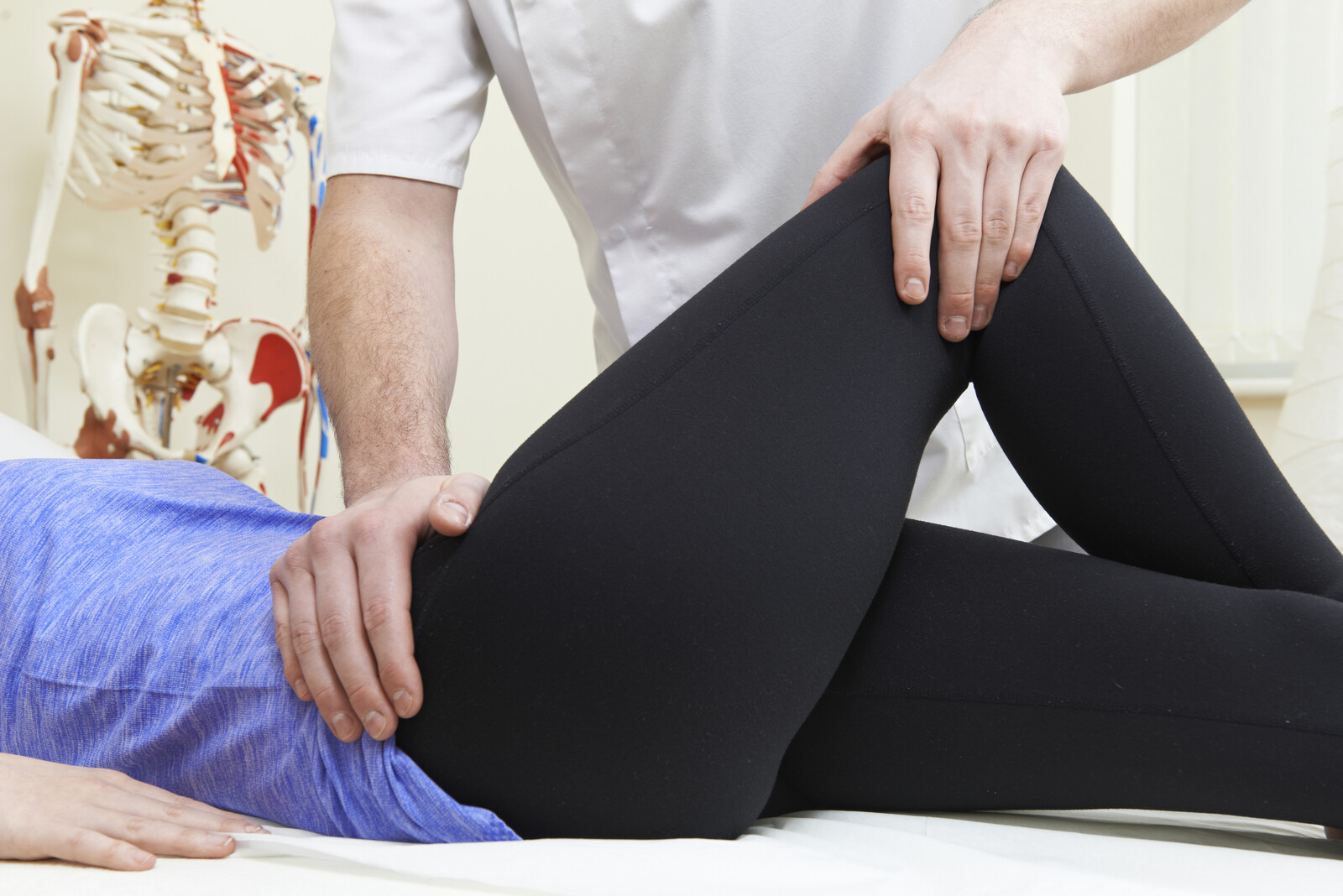
We need to differentiate a few different possible diagnoses with pain on the side of the hip. Hip osteoarthritis/ femoral-acetabular impingement can present in a similar way and can unfortunately occur concurrently. We use range of motion testing and joint stress tests to rule out these problems. We also need to rule out the lumbar spine and any nerve related pain which we do through a range of active and passive tests. One such problem is piriformis syndrome , otherwise known as deep gluteal syndrome (DGS). DGS presents usually as pain in the buttocks often provoked by sitting. DGS involves the sciatic nerve, most often as it begins as nerve roots in the lumbar spine, but possibly as entrapment at the pelvic level. We use neurodynamic tests like the active and seated piriformis tests, SLR testing, and palpation to diagnose this problem.
Gluteal Tendinopathy Treatment
We use a combination of load management, ergonomic adjustements, and progressive strenghtening to treat the tendon. Avoiding laying on the sore side, avoiding crossing the legs, and avoiding sitting are often helpful adjustments. In terms of strengthening, we often start with isometric exercises progressing to to full range exercises and eventually plyometric/impact exercise for those that wish to return to sport/running. Performing lunges while holding a weight on the opposite side has been shown to increase gluteus medius activation by 90%. Often, we perform a running analysis to assess for the presence of crossover gait, followed by cuing to correct this movement pattern which is thought to place increased compressive load on the tendon.
Ivan Velev, PT, DPT