

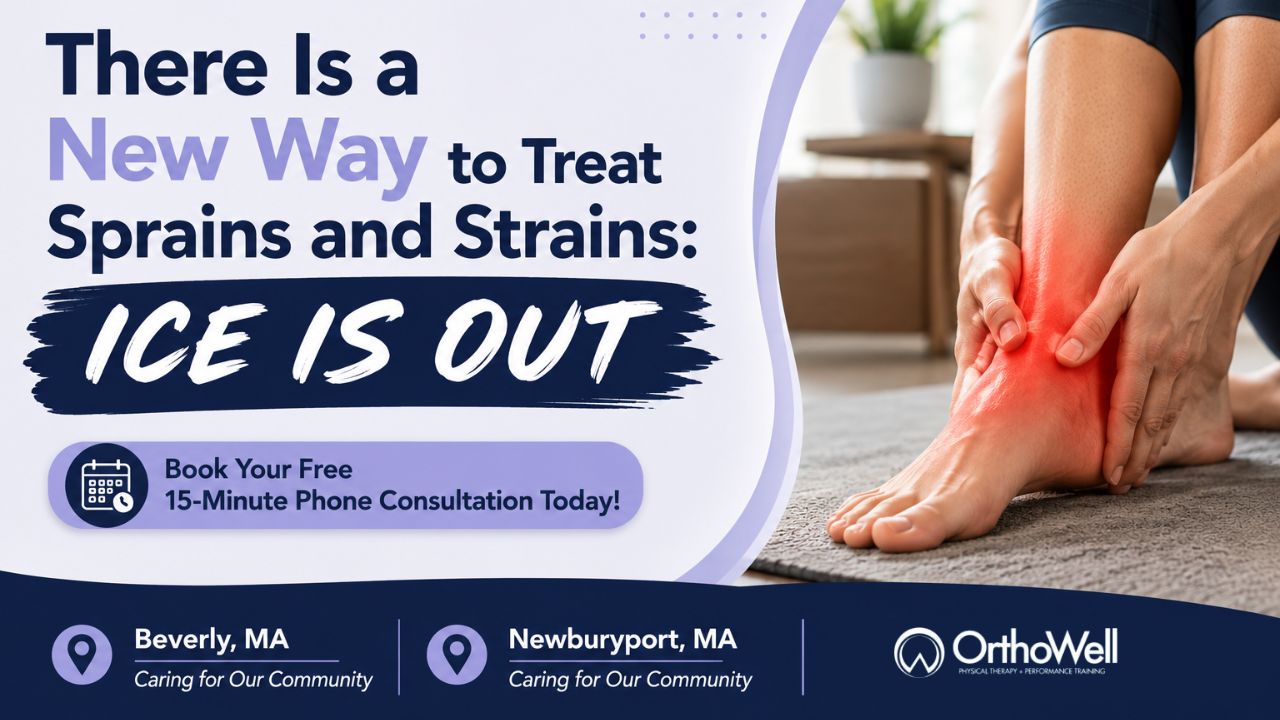
There Is a New Way to Treat Sprains and Strains: Ice Is Out
Most of us grew up on the same advice. Twist an ankle, pull a muscle, take a bad step off a curb, and the first move is always the same: ice it. That habit is so ingrained that many people reach for the freezer before they even think about what they’re treating.
Turns out that habit may be working against you. Sports medicine researchers have been taking a closer look at how injuries actually heal, and ice is coming out the loser. Cooling an injured area feels good in the moment, but there’s growing evidence it slows down the body’s own repair work rather than helping it along. Compression and elevation are holding steady. Rest still matters too, just not in the way most people picture it.
Here’s the shift at a glance, then a closer look at each piece.
| RICE Step | Old Advice | Updated Advice |
|---|---|---|
| Rest | Stay off it completely until pain is gone. | Brief rest, then gentle movement as tolerated. |
| Ice | Apply ice regularly to numb pain. | Skip the ice; use anti-inflammatories or topical cream instead. |
| Compression | Wrap with an elastic bandage or sleeve. | Unchanged, still recommended. |
| Elevation | Raise above heart level to reduce swelling. | Unchanged, still recommended. |
Rest, but not too much of it
- A short break from activities that cause pain is still smart in the first day or two after an injury.
- Long periods of complete immobility are no longer advised.
- Gentle movement and light activity, as pain allows, help keep blood flowing to the area, which supports the healing process. Use HEAT in combo with MOTION even in the acute stage. Heat opens up the blood vessels and motion pushes in the GOOD and pushes out the BAD!
Ice, minus the ice
- Icing an injury can numb pain in the moment, but some research suggests it may slow down muscle and tissue regeneration.
- Instead of reaching for a cold pack, many experts now recommend over-the-counter anti-inflammatory medication or a topical cream to manage discomfort.
- This is one of the bigger shifts in the new guidance, since ice has been the default response to injury for generations.
Compression, still on the list
- Wrapping the injured area with a flexible elastic bandage or sleeve continues to be recommended.
- Compression offers support and helps keep swelling from getting out of control.
- The bandage should be snug but not tight enough to cut off circulation. Numbness, tingling, or a change in skin color are signs it’s wrapped too tight.
Elevation, still worth doing
- Raising an injured arm or leg above the level of the heart, using pillows or a similar support, uses gravity to help drain fluid away from the injury.
- This helps keep swelling down while the area heals.
Why this shift matters
Sprains and strains are some of the most common injuries people deal with, whether from sports, a misstep on the stairs, or overdoing it during a weekend project. The move away from ice does not mean an injury should be ignored. It means the recovery process may respond better to gentle movement and support than to cold and complete rest.
Every injury is different, and what works for a mild ankle sprain may not be right for a more serious strain. Anyone dealing with a sprain, strain, or ongoing pain that isn’t improving should have it evaluated by a physical therapist or another qualified provider, especially before starting a new treatment approach on their own.
Ready to Recover with Confidence?
If you’re in the Newburyport area and want a treatment plan built around how your body is actually healing, OrthoWell Physical Therapy can evaluate your injury and guide you through safe, effective next steps. Book your free 15-minute phone consultation today and take the first step toward a safe, evidence-informed recovery.
Frequently Asked Questions
Is ice ever appropriate for an injury?
Some providers still use ice selectively for acute pain relief, but it is no longer considered a default or required step in injury recovery the way it once was.
What should I do instead of icing a sprain?
Focus on gentle movement as tolerated, compression with an elastic bandage, elevation above heart level, and over-the-counter anti-inflammatories or topical creams for pain management. Use HEAT is combination with MOTION. Push in the GOOD and push out the BAD!
How tight should a compression wrap be?
Snug enough to offer support and control swelling, but not so tight that it causes numbness, tingling, or discoloration.
When should I see a physical therapist for a sprain or strain?
If pain persists, swelling doesn’t improve, or the injury limits daily activity, a physical therapist can assess the injury and build a recovery plan suited to it.
Should I stop using ice completely after an injury?
Not necessarily. Ice may still help relieve pain for some people, but it is no longer recommended as a routine treatment for every sprain or strain. The best approach depends on the type and severity of the injury.