Orthowell Physical Therapy

Vitamins -To Take or Not To Take?

Vitamins

Do you take a multi-vitamin? Do you take vitamin C? If you said yes, you wouldn’t be alone. Supplement sales in 2012 hit $11.5 billion and are projected to be over $15 billion by 2017. People are looking for alternatives to traditional medicine and pharmaceuticals. If you have been in my physical therapy clinic, I am sure that many of you have heard me say “I am trying to place your body in the best position to heal”. The same can be said for my thoughts on vitamin and mineral supplements. Our bodies are incredible healing machines if you simply provide it the proper environment and the proper sustenance in which to heal. This blog post has been a labor of love as it has taken over 6 months to complete. I have attempted to provide THE EVIDENCE for why and what we should take for supplements. I hope this helps!  Let me know what you think.

The first thing you need to realize is that there are a lot of unsubstantiated health claims made about vitamin and mineral supplements. You have to be a careful observer when reading about the “health effects” of supplements. Most of these substances are unregulated by the FDA. There has been an advocacy movement on the part of the USFDA to protect the consumer from unsubstantiated health claims. You can read more HERE. You need to be the educated consumer before making a purchase. Websites such as www.multivitaminguide.org provides a scientific comparison of over 100 brands of multi-vitamins. Check it out and see how YOUR choice compares.

I am of the opinion that you have to base your decision regarding supplements on the best available scientific information. This may mean that you put more trust in the biological “process” than in the actual “claim”. For example, we know that free radical damage is a “process” that can be mitigated by antioxidants. However, we cannot claim that antioxidants will “prevent cancer”. Read HERE to see four scientific examples or do a Medline search for the “effects of antioxidants” and take your pick.

I think that all of you would agree that stress is a threat to a person’s well-being. Your body responds to stress by utilizing an elaborate system of enzymes, vitamins, minerals and antioxidants to defend itself. Read HERE for details. An antioxidant is a compound that neutralizes the effects of free radicals. Free radicals are highly unstable molecules that attack the nearest stable molecule and strip it of an electron. This can cause a chain reaction called oxidative stress which can cause damage to a living cell. Free radicals are a natural byproduct of cellular metabolism but their numbers may exceed the number of antioxidants when experiencing high levels of emotional OR physical stress. If this cycle goes unabated, it may lead to inflammation, infection, heart disease, or cancer to name a few. Obviously, this is a process that we want to mitigate. As a result of the depletion of antioxidants when under stress, it is recommended that you supplement or ingest fruit & vegetables not just once, but several times during the day. Yes, there are many different types of antioxidants. Vitamin E & C are probably the most popular. What do you choose as part of a dietary supplement regimen? It depends on who or what you read and how much money you want to spend. Is one any better than the other?  Same answer! One way to look at it is “the more you stress, the more you need”.

The recommended daily allowance of fruits and vegetables to maximize your levels of dietary antioxidants is 5-10 servings. Rich Vitamin E sources are things such as whole grain, nuts (especially almonds!), and seeds. Read more HERE. Unfortunately, most people don’t come close to these daily allowances. One way to help neutralize the effects of free radicals is to supplement your diet with antioxidants. Vitamin E is a fat-soluble antioxidant that is very efficient at breaking the oxidative stress chain.  Vitamin C is a very abundant water-soluble antioxidant. It actually plays a role in returning Vitamin E to its active form. All citrus fruits contain high levels of Vitamin C. Polyphenols are another option. They are the chemicals that give fruit and vegetables their color. They are powerful antioxidants as well. Here is one example of polyphenols and one that I take on a daily basis. Check it out HERE.

So what’s up with the fatty acids? I’m sure that you have heard of omega-3’s and omega- 6’s. Right? This is the reason some people take “fish oil”. Some of you may even remember choking down cod liver oil as a child. With the advent of preservatives and the addition of poor quality vegetable oils in our foods, our ratio of omega-6 to omega-3 has gone awry. The ratio of omega-6 to omega-3 in the typical Western diet can be up to 16:1. Not good! Human beings evolved with the ratio being around 1:1.  Excessive amounts of omega-6 polyunsaturated fatty acids and a very high omega-6/omega-3 ratio can promote diseases such as cancer, cardiovascular disease and inflammatory and autoimmune diseases, whereas increased levels of omega-3 (a low omega-6/omega-3 ratio) can have a preventative effect. Omega-3 can also help regulate pain and inflammation as well as maintain proper blood pressure and cholesterol levels. Read HERE for more.

So how do you decide which omega product to purchase? You want to purchase a product that has the highest purity and potency. Purity means that it is free of toxic chemicals such as mercury and PCB’s. Potency is based on the actual amount of EPA and DHA in the oil. EPA and DHA are the essential fatty acids in omega-3. Essential fatty acids cannot be produced by the body and are “essential” to ingest. Food sources high in omega-3 are salmon, almonds, flax, walnuts just to name a few. Check on-line for a chart. You want to ensure that the product that you intend on purchasing has undergone third party testing. The International Fish Oil Standards Program at http://www.ifosprogram.com/ is one such organization. Here is an example of the IFOS page for the omega 3 product that I use. Click HERE. So how much omega-3 do you need? I have concluded based upon my research that the daily recommended allowance for omega-3’s is anywhere between 2500-10,000 mg.

Have you ever had your Vitamin D level checked? If not, you may want to. A study published in the Archive of Internal Medicine in 2009 showed that Vitamin D  levels have “plummeted” among ALL U.S. ages, races, and ethnic groups over the past two decades. This is especially true in seasonal parts of the country like New England where sun exposure is variable. Because there are such small amounts of Vitamin D in food, the only 2 ways to get adequate amounts is thru direct sun exposure or via supplements. The best form to take is Vitamin D3 and it is this form that is produced during sun exposure. Over the past 10 years, several researchers have found an association between extremely low vitamin D levels and chronic, general pain that doesn’t respond to treatment. Read HERE. Go the preceding link to read several examples of people who had miraculous results in pain reduction with Vitamin D supplementation. So how much should you take?  The Vitamin D council recommends anywhere between 5000-10,000 IU per day. Check out their recommendations HERE. Here is a LINK comparing options for purchasing vitamin D. I take the generic Vit D3 from CVS.

So how about the MANY other vitamins and minerals? The Vitamin D Council gives recommendations for vitamins that work synergistically with Vitamin D. They include Vitamin A, Vitamin K, Zinc, Boron and Magnesium. You can read more about them and the recommended daily allowances HERE. As mentioned earlier, websites such as www.multivitaminguide.org provides a scientific comparison of over 100 brands of multi-vitamins which should contain all the recommended daily allowances of trace minerals and vitamins. My choice is first on the list from XtendLife: Total Balance. If you need to supplement your B vitamins, another option in liquid form is called Folidreen. Taking your supplements in liquid form and adding them to juice is a great option for those who have difficulty taking pills.

I have also been questioned about and have had personal experience with urine turning a bright yellow when taking a multivitamin. Is this bad?  One of the main reasons for this is the excretion of riboflavin. The Latin origin of riboflavin is from the word flavus which means “yellow” or “blonde”. Your yellow urine reveals one key thing. Your body has taken what it can from the vitamins and the rest is excreted. Read more HERE.

So why do we need trace minerals? Minerals are essentially the elements on the periodic table in chemistry class. They are things like chromium, zinc, magnesium, calcium, iron etc. They work synergistically with all of the other vitamins and nutrients that our bodies need to maintain optimal health. Ideally, trace minerals should come from eating a raw food diet. Unfortunately, researchers have shown that raw food isn’t even enough because our soils have been so depleted of these vital minerals. It is believed that 90% of people are deficient in trace minerals. READ HERE. If it’s not in the soil and it’s not in our food, then what do you do? You need to get your trace minerals via a supplement. You need to scrutinize your multi-vitamin and even look into liquid options such as Concentrace: Trace Mineral Drops.

Another example of the importance of minerals is the balance of calcium and magnesium in our systems. As stated at Natural Vitality:

Magnesium and calcium are fundamental nutrients that need to be in balance with each other in order for you to fully experience good health. Their importance on a cellular level is critical. Calcium and magnesium are like opposite sides of a coin. Calcium excites nerves, while magnesium calms them down. Calcium makes muscles contract. Magnesium is necessary for muscles to relax. Calcium is needed for blood clotting, but magnesium keeps the blood flowing freely.”

Deficiency of magnesium or calcium can be caused by a number of stresses on the body including emotional stress, taking drugs such as diuretics, antibiotics, oral contraceptives, insulin, or cortisone, heavy exercise, diabetes, and gastrointestinal disorders. Some people may need to seriously consider supplementation when these conditions exist. Calcium is extremely important as an alkalizing agent for your body. Stress and poor nutrition makes your body acidic. Acidic environments promote cancer growth! The recommended daily intake of calcium according to the National Institute of Health is 1000mg for adults aged 19-50 and 1200 for 51 plus. The recommended daily intake for magnesium according to the NIH is 320g for age 30 and older. Don’t forget that calcium CANNOT be ingested without Vitamin D. So you may want to order the combination of the two in a product. An excellent source of calcium is coral calcium. You can read HERE for a comparison of the best coral calcium products on the market. I order mine in tablet and powder form (for my smoothies) from True Blue.

So how about your joints? What are the best supplements? You want to focus on products that deliver RESULTS!  The best known supplements for joint health are glucosamine and chondroitin. But have they been shown to be effective? The Cochrane Database www.cochrane.org of Systemic Review is the largest collection of randomized controlled studies in the world. The Cochrane Review of glucosamine for arthritis looked at 4963 patients and concluded that glucosamine “failed to show benefit in pain and function”.

Products which contain esterified fatty acids are turning out to be the new gold standard in the treatment of joint pain. One example is EFAC or esterified fatty acids complex. It is comprised of a proprietary blend of esterified fatty acids that inhibit the inflammatory cascade by bonding to white blood cells and inhibiting a mediator of inflammation called prostaglandin. Double-blind studies using EFAC for osteoarthritis and periodontal (gum) disease have been published in leading medical journals including the Journal of Rheumatology and the Journal of Periodontology. It has been shown that EFAC can reduce joint and muscular discomfort within 30 minutes of topical application and within 14 days of oral consumption. You can read more HERE.

It is available in both capsules and creams in order to maximize your results. Both are available and for sale in our clinic. You can find more information at www.hopescience.com.

In conclusion, yes, I am a believer in taking supplements. I hope that this blog post has made you a believer as well. Please let me know your thoughts or your experiences with supplements. We can all learn from one another!



Proper Breathing – The Cure for Pain & Stress?

What do you think of when you visualize someone who is really stressed out? It sure seems like some people are wound tightly these days. I have had my own issues with stress. I’m sure you have too. I find myself talking more and more with my patients about the effects of stress and how beneficial diaphragmatic breathing and proper nutrition can be.  We will discuss nutrition in an upcoming post. You also need to be aware of other possible manifestations of stress like increased muscle tone, rapid heart rate, palpitations, increased blood pressure, GI distress, mood swings, loss of appetite, and sleep disturbances to name just a few. These symptoms make living a happy, relaxed and “normal” life much more difficult.

So what about the relationship between stress and breathing? Breathing occurs at a very primal level. If you don’t breathe, you don’t live! Your body will do whatever it takes to draw air into the lungs. Instead of using the diaphragm, it may recruit other accessory muscles in your neck or low back. This pattern reinforces poor posture and causes impaired flexibility which can promote shallow, ineffective breathing. It prevents the ability to exhale fully and to perform a proper, full diaphragmatic breath. Lets review what that means.

First of all, when performing a diaphragmatic breath, your belly should expand outward. This is due to the downward movement of your diaphragm as you inhale. Secondly, your lower ribcage should expand. Thirdly, your upper ribcage will expand during a maximal inhalation. Your ribcage should expand as a unit. It should NOT elevate. Movement of your ribcage upward, shoulder shrugging, or contraction of your neck muscles are all signs of faulty breathing patterns. Remember that slouched sitting and forward head posture encourages shallow breathing and prevents full, complete expansion of your ribcage. We discussed breathing pattern disorders in relation to CORE activation during my last post and video demonstration. Here it is in case you missed it:


So what does the research say about the link between pain and breathing disorders?  A very interesting phenomenon is the prevalence of pain syndromes that are NOT caused by a specific organic illness. Katon & Walker (1998) noted that patients with the most common physical symptoms (i.e. abdominal pain, chest pain, headache, back pain), are responsible for half of all primary care visits in the USA, and yet only 10%–15% of these are found to be caused by organic illness! All these symptoms are well recognized as capable of being the result of breathing pattern disorders.

Perri and Holford (2004) evaluated 111 patients attending a chiropractic pain clinic and found 56.4% demonstrated faulty breathing on relaxed inhalation, increasing to 75% when taking a deep breath. 87% reported a history of various musculoskeletal pain problems. Based on this population, they observe that: “Chances are 3 in 4 that new patients seen today will have faulty breathing patterns.”

So what does the research say about the effects of breathing exercises on stress? Remember, stress reactions are controlled by our autonomic nervous system i.e. sympathetic and parasympathetic. Fight or flight?  In Pal and colleagues, breathing exercises were shown to enhance the parasympathetic (inhibitory or calming) effects and decrease the sympathetic (excitatory) effects of muscles and nerves. They improve respiratory and cardiovascular function and improve both physical and mental health. Convinced yet?

So how do you begin breathing exercises?The first step is understanding that the relaxation response has to be relearned. You need to learn how to identify and turn off the stress response. As stated by Kabat-Zinn, “you need to learn how to replace negative thoughts and physical tension with regular practice of ‘calm stillness of mind and body’ “. Buddha is in the house! The next step is to schedule regular daily practice. You need to invest 10-15 minutes at least one time every day. According to Leon Chaitow, we need to “restore an energy-efficient, low chest, nose-breathing pattern with a relaxed pause at the end of exhalation”. He calls it “low slow nose breathing”. Initially, lay comfortably supported by pillows in a quiet room. Progress to sitting once a positive outcome is achieved in lying. You need to reinforce proper posture at home, work, and car and realize that breathing and relaxation techniques only help eliminate the symptoms, not the causes of stress. Be honest about making realistic lifestyle changes. The video below demonstrates a method that uses both breathing and physical relaxation techniques.


Remember that breathing drives everything that happens, both good and bad, throughout our entire bodies. So breathe right to live right!!


SI Joint Pain & Dysfunction. Do U Have It?

The sacroiliac or SI joint is the articulation between the bone at the base of the spine called the sacrum and the bones on both sides of the pelvis called the ilium. Refer to the picture below.

Over 22 years of physical therapy, I have treated many patients with low back and buttock pain who were diagnosed with an SI joint dysfunction. The difficulty with diagnosing an SI joint dysfunction is that the SI joint has no specific distribution pattern of pain.  Pain directly over the SI joint does not necessarily mean that the joint itself is involved. SI joint pain can very often be referred pain from other structures such as the disc, nerve root, or facet joints of the lumbar spine. Many physical therapists or physicians attempt to diagnose an SI joint dysfunction through palpation of bony landmarks as well as assessment of SI joint mobility. There is only a very small amount of motion in the SI joint i.e. 2-3 mm or 2-3° of gliding or rotation thereby making an accurate diagnosis very difficult. In addition, evidence based research refutes the reliability and validity of accurately assessing bony landmarks and SI joint mobility. McGrath et al has published an article, entitled Palpation of the sacroiliac joint: an anatomical and sensory challenge in which the concept of SI joint palpation is scrutinized. Freburger and Riddle performed a literature review looking at our ability to perform SI joint motion testing. They found poor inter-tester reliability, low sensitivity, and low specificity in several commonly performed tests. Inter-rater reliability is essentially the ability for multiple practitioners to come to the same diagnostic conclusion. If you have multiple individuals perform the same test, the results should be the same. Riddle and Freburger in another study noted that the ability to detect positional faults of the SI joint also has poor reliability. At present, the only acceptable method of confirming or excluding a diagnosis of a symptomatic SI joint is a fluoroscope guided intra-articular anesthetic block ie an injection directly into the SI joint. (Laslett et al) So how can I, as your physical therapist, assist in the diagnosis of an SI joint dysfunction?  The answer: SI joint provocation tests!

Two recent studies by Laslett et al and Van der Wurff et al have demonstrated that there isn’t just one key or ideal SI joint provocation test. However, by performing several tests together, you can increase your sensitivity and specificity of detecting an SI joint dysfunction. Both studies reported that the accuracy of detecting SI joint dysfunction is increased if least 3 of the 5 tests are positive. Furthermore, if all 5 tests are negative, you can likely look at structures other that the SI joint. Van der Wurff et al reported that if at least 3/5 of these tests were positive, there was 85% sensitivity and 79% specificity for detecting the SI joint as the source of pain.  Interestingly, another study by Kokmeyer et al agreed with the previous findings, but also noted that the thigh trust test alone was almost as good at detecting SI joint dysfunction as the entire series performed together.

Combining the two studies, there are 5 provocation tests to perform when attempting to diagnose SI joint pain:

  1. Thigh thrust/Femoral Shear test
  2. SI Distraction Test
  3. SI Compression Test
  4. Gaenslen’s Test
  5. FABER / Patrick’s test

The following video will demonstrate these tests. I would like to thank Mike Reinold, PT for his blog information that was used to complete this explanation of SI Joint dysfunction.  Check out the video below!!

CORRECTION:  I would like to clarify the SI distraction test as described in Laslett. I believe that he considers the direct posterior shear of the innominates as a distractive force of the ilium away from the sacrum. I initially interpreted this test as a compression of the SI joint via a distraction of the ASIS’s. I guess it depends on HOW you apply the force to the ASIS’s.  Also, the sidelying “compression” test needs to be performed in a straight, linear fashion as well in order to compress the SI joint. It is important to place a towel roll under the lumbar spine in women in order to prevent sidebending stress t the lumbar spine. In OMT, we use the sidelying position to “distract” the SI joint using more of a rotational force on the lateral edge of the ilium in order to “open up” and distract the SI to get a feel for joint play. As you can see, these tests are not definitive for exactly HOW they stress the joint but they are specific for a stressing maneuver TO the SI joint.


We’re Back!!!!!! With a New Look!

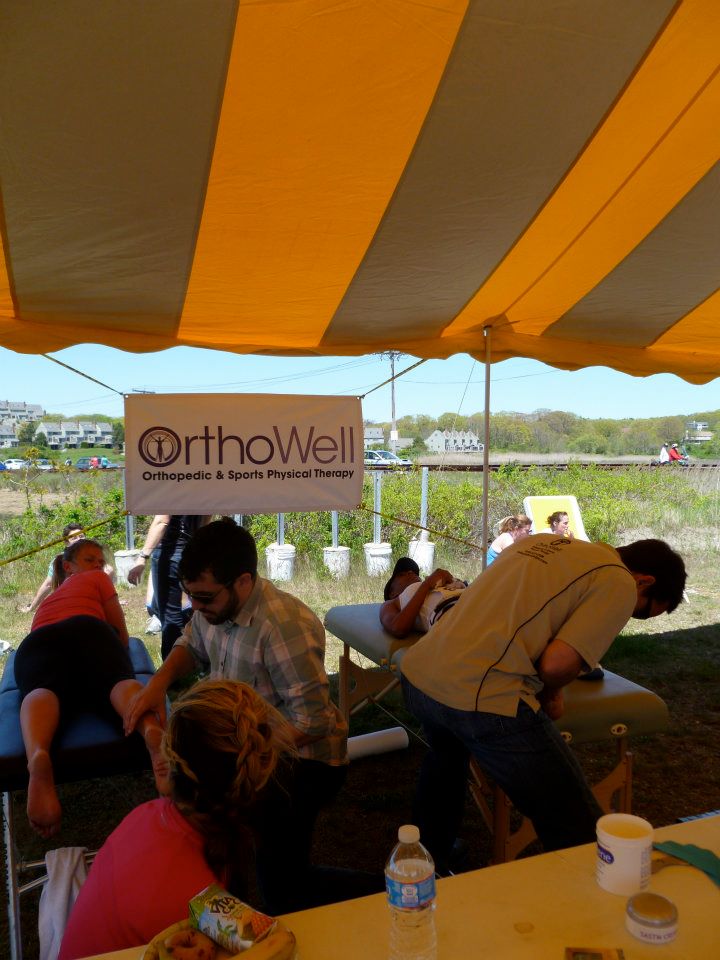
WOW!! We have been really busy here at OrthoWell. Thanks to you-our awesome patients!! I have been a little sidetracked from my blog posts recently as I am SURE all of you have noticed and have “sorely” missed. With the help of my incredible crew we attended (with our treatment tables and elbow grease) one 5K, one half marathon, and one health care exhibition during the month of May. In the meantime, I have been very focused on bringing new life and a new face to my website. How do you like the snazzy, new look of this newsletter? You can see on our homepage how easy we made it to quickly view our clinic’s specialties and the things that set us apart from other physical therapy clinics. You can see how much more personalized and descriptive we made the website by adding our OWN pictures. We all felt like movie stars during the photoshoot. I have never before seen Geoff smile so much!?! The OrthoWell miracles continue!! With this post, I would love to introduce, with eager anticipation, my NEW LOOK at www.orthowellpt.com Please take the time to LIKE US if you like what you see. I also included a few pictures:  Megh’s first and victorious half marathon run and Geoff and I healing the wounded at the Gloucester Twin Lights Half Marathon.


PUMP YOU UP!!

So how important is resistance training? I have had the privilege of working with one of my peers, a fellow PT, and strength and conditioning specialist, Mike Stare from Spectrum Fitness in Beverly, both professionally as well as personally. Mike helped to redirect MY fitness program while I was recovering from my knee injuries 1.5 years ago. Mike is on top of his game from a fitness training standpoint. He has devoted a lot of time and resources in developing an evidence-based approach to fitness and weight loss in ALL age groups. You can see this for yourself at his website. It is important for clients in a fitness program as well as our patients in physical therapy at OrthoWell to understand HOW to strengthen muscles.

The physiological principle of “overload” is what makes the difference between strength gains and stagnation. Resistance training is hard work! I tell my patients “If it’s easy, then you’re doing something wrong!” Is it true that people will lose 5-10% of muscle strength in every decade of life after the age of 40? Studies have shown that people can retain 100% of their muscle mass and strength from age 40 through their 80s with exercise! (Wrobelski, A. et al. The Phys and Sports Med, Sept 2011) You can read more on the Anti-Aging movement at Mike’s BLOG as well.

However, during exercise, you need to challenge your muscles physiologically. You need to provide a “load” that goes “over” your muscles comfort zone. In order for a muscle (including the heart) to increase strength, it must be gradually stressed by working against a load greater than it is used to. So how do you do this? There are many books and magazines such as Muscle Fitness that advocate all kinds of strategies for maximizing strength and muscle mass. Strength gains can be accomplished by performing a one-repetition maximum as well as via the typical 10 rep set approach. My approach, with the fine-tuning of Mike, is to instruct my patients in 2-3 sets of 8-12 repetitions per exercise. The most important factors to consider are the utilization of proper technique in order to isolate the specific muscle as well as to use the idea of the “loss of technical form” as your maximum output point. By the time you reach the 8-12th rep you should be tiring and on the verge of a loss of technical form. You should not work to fatigue as this will compromise your technique and become a safety concern. Regarding the frequency of strengthening exercise, studies show that strength gains are maximized at a frequency of 2-3x per week. The American College of Sport Medicine (ACSM) recommends working out a MINIMUM of 2x per week at an intensity that is equal to 70-85 percent of your one rep maximum (maximum weight you can use for one rep) for 8-10 reps and 1-3 sets. A program that comprises repetitions over 12 is considered endurance training. For cardiovascular benefits, the ASCM recommends exercising for a frequency of 3-5 times per week, at an intensity equal to 60-85 percent of your maximum heart rate for a time of 20-60 minutes. Research has shown that you’ll get the same beneficial results by exercising at 50-60% of your maximum heart rate that you would get exercising at an intensity 80% of your maximum heart rate.

At OrthoWell, as part of your physical therapy, we get you started on a strengthening program that targets your problem area. Finding the right practitioner to design a complete, individualized fitness program can be a very rewarding thing and Spectrum Fitness is definitely one of our choices. As Mike points out, “If there is one thing to do to improve the quality of life as we age, strength training would be it.”

For our athletes and runners, don’t forget that strength training has been PROVEN to enhance athletic performance. Read the following to get the facts!

-A University of Alabama meta-analysis of the endurance training scientific literature revealed that 10 weeks of resistance training in trained distance runners improves running economy by 8-10%.  For the mathematicians in the crowd, that’s about 20-24 minutes off a four-hour marathon – and likely more if you’re not a well-trained endurance athlete in the first place.

-French researchers found that the addition of two weight-training sessions per week for 14 weeks significantly increased maximal strength and running economy while maintaining peak power in triathletes.  Meanwhile, the control group – which only did endurance training – gained no maximal strength or running economy, and their peak power actually decreased (who do you think would win that all-out sprint at the finish line?).  And, interestingly, the combined endurance with resistance training group saw greater increases in VO2max over the course of the intervention.

-Scientists at the Research Institute for Olympic Sports at the University of Jyvaskyla in Finland found that replacing 32% of regular endurance training volume with explosive resistance training for nine weeks improved 5km times, running economy, VO2max, maximal 20m speed, and performance on a 5-jump test.  With the exception of VO2max, none of these measures improved in the control group that just did endurance training.  How do you think they felt knowing that a good 1/3 of their entire training volume was largely unnecessary, and would have been better spent on other initiatives?

-University of Illinois researchers found that addition of three resistance training sessions for ten weeks improved short-term endurance performance by 11% and 13% during cycling and running, respectively.  Additionally, the researchers noted that “long-term cycling to exhaustion at 80% VO2max increased from 71 to 85 min after the addition of strength training”

Headaches!! Aspirin or Exercise?


One of the most common types of stress-related headaches is called a cervicogenic headache. This type of headache is the result of referred pain from boney or soft tissue structures in the neck. When your upper trapezius goes tense from stress and one of the attachment sites of the trapezius is the base of your skull, what do you think the end result could be? That’s right. A cervicogenic headache. When it comes to special testing such as XRays or MRI, there is no clear relationship between degenerative changes of the discs or cervical vertebrae and headaches (Ylinen et al 2010). As a result, most of our assessment comes from functional and palpation testing of the cervical joints and soft tissue. Conservative management of neck and headache pain often includes passive therapies such as the many specialized soft tissue techniques that we offer at OrthoWell Physical Therapy. But what does the research say about exercise-based interventions? Do neck exercises help cases of cervicogenic headache? According to Ylinen et al 2010, they certainly do. The strength group performed one set of 15 reps (in four directions) of cervical resistance training using rubber bands, upper extremity dumbbell exercises, and neck stretches 5x/week in combination with 4 hands-on physical therapy treatments. The control group performed only daily neck stretches, cardio 3x/week, and no physical therapy. What they found, at a 12 month follow-up, was that headache pain decreased by 69% in the strength group and only 37% in the control group. A more detailed analysis of the study can be found at the Theraband Academy website. In conclusion, the evidence-based combination of hands-on physical therapy, exercise, and patient education would be the best approach to resolving cervicogenic headaches.

Foam Rolling Technique

As most of you know, a very important part of our practice is the treatment of soft tissue dysfunction. This may be in the form of a muscle “knot”, chronic scar tissue, or post-surgical stiffness. We have many names ie “the doctors of knotology” and “the Marquis de Sade” to name a few. In spite of the many terms of endearment, at OrthoWell, we get our patients better- Faster! because of our approach. A very important part of your recovery has to do with your home program. Every conditioning program should include stretching, strengthening, cardio, and a close fourth should be self-massage and/or self-mobilization. Many of you have experienced “the twins” (my double tennis ball massager) as well as the foam roller. It is important to address your chronic “knots”, scar tissue, and muscle sensitivities in order to promote optimal tissue dynamics and to prevent future pain syndromes related to poor tissue dynamics.

The following video highlights our foam rolling strategy for your lower extremities. Each muscle group should receive 5-10 passes along the foam roll. The amount of weight you impart upon the roll will be dictated by your tolerance. Yes, this should hurt! Only mild to moderate pain, nothing severe. Use your arms and opposite leg to control the pressure being applied. Try to identify key areas along the way that may need additional passes. Yes, over time, the pain will subside and your pressure will increase. Consistency is the key. Ideally, stretching and self-massage should happen daily. Here is a run down of what is happening in the video.

1. In the first part of the video, I am treating the quadriceps. Longer muscles need more attention. Perform 5-10 passes each at the upper end, middle, and lower end of the muscle.

2. Turn 45 degrees and perform the same treatment at the junction between the quadriceps and iliotibial band(ITB). Pay close attention to the lower end near your patella.

3. Turn another 45 degrees and, in the same manner, treat directly along all three aspects of the ITB.

4. Next, turn over and treat your upper glute area. Cross one leg over the other as shown. The leg that is crossed is the side you are treating. Perform 5-10 passes.

5. Move down to the hamstrings and treat the upper, mid, and lower ends. Place your opposite leg on top of the treatment leg in order to impart more pressure.

6. Next, treat the calf muscle. Place the opposite leg on top for more pressure. Treat the entire length of the calf. You can also perform an up/down ankle movement in order to help glide the stiff tissue while imparting pressure onto the roll.

7. Finally, treat the inner thigh or adductor muscle group. It may be easier to use the 6” roll to treat this area effectively. You can purchase a white 6” roll which is the same material as the 4” or you may purchase the black roll which is firmer than the white.

Keep on rollin’


Low Back Pain – Part 3 – BEST Evidence-Based Core Exercises!

So what are the BEST evidence-based Core exercises?  

Evidence from random controlled trials of people suffering from low back pain show that core stabilization exercises result in significant improvements in pain and function(5,7) . However, the most effective combination of which muscles to target and which stabilization methods to utilize are still debated(1-11).  One technique that has been suggested is abdominal hallowing or “drawing-in” your navel to activate the transversus abdominis (TrA) muscle.  This technique has been shown to increase the cross-sectional area of the TrA(10), however, many exercise scientists are now advocating a method called “abdominal bracing”(demonstrated in my last post) in which ALL the abdominal muscles are recruited instead of just one(11). It should be the goal of core exercises to activate as many torso muscles as possible in order to ensure spinal stability and to prepare our bodies for the dynamic and often complex movements that occur during our daily activities.  So what does the research say about which exercises activate which muscles the best?

Numerous studies have used EMG to determine the greatest electrical activity of torso muscles during various core stabilization exercises.  In Escamilla et al(3), they used surface or skin electrodes to compare exercises such as traditional crunches, sit-ups, reverse crunches, and hanging knee-ups using straps to exercises using an Ab Roller/ Power Wheel and a device called the Ab Revolutionizer. What they found was that the activation of the upper and lower rectus abdominis(the “washboard” muscle) as well as both the internal and external obliques was the greatest with Power Wheel roll-outs and hanging knee-ups with straps.  Because research indicates that the internal obliques are activated in the same manner(within 15%)  as the tranversus abdominis(3), we can assume that these results apply to the TrA as well. The activation was least with a traditional sit-up!   In Okubo et al(8), they used both surface electrodes and intramuscular fine-wire to compare curl-ups, side planks, front planks, bridges, and bird dogs.  What they found was that the TrA was activated the greatest during front planks with opposite arm and leg raise and that multifidus activation was greatest with bridging.  Although core stabilization exercises should be performed in multiple planes of motion, these two studies highlight the enhanced activation that occurs during “face down” exercises such as front planks and roll outs.

The functional progression of exercises as well as training in all planes of motion are important aspects of OrthoWell’s core stabilization program. Our program will uncover your weaknesses and maximize your strength by progressing through successive levels of difficulty in all directions of movement ie anterior, posterior, lateral, and rotatory. Optimal development of the “local” system ie your functional neutral position and bracing technique(my last post) should occur before attempting to train the “global” or big muscle system.  Unfortunately, most people over-train the global system and need to be re-educated. So be patient as we take you by the “core” and steer you in the BEST, evidence-based direction.

The following videos are examples of some of our functional progressions for each plane of motion(sorry for the  occasional “sideways” view).  I demonstrate a particular exercise and then follow with an exercise of progressive difficulty. Functional progression is very individualized and requires skilled observation to determine competency.  Many thanks to two of my peers, Mike Reinold,PT and Eric Cressey for being very helpful in this regard.

Anterior Core Stabilization Exercises

Anterior/Posterior Core Stabilization Exercises

Posterior Core Stabilization Exercises

Lateral Core Stabilization Exercises

Rotatory Core Stabilization Exercises

1.  Allison GT, Mo4444rris SL, Lay B. Feedforward responses of transversus abdominis are directionally specific and act asymmetrically: Implications for core stability theories. JOSPT. 2008; 38: 228-237.

2. Ekstrom RA, Donatelli RA, Carp KC. Electromyographic analysis of core trunk, hip, and thigh muscles during 9 rehabilitation exercises. JOSPT. 2007; 37: 754-762.

3. Escamilla RF, Babb E, Dewitt R. Electromyographic analysis of traditional and nontraditional abdominal exercises: Implications for rehabilitation and training. Physical Therapy. 2006; 86: 656-671.

4. Faries MD, Greenwood M. Core Training: Stabilizing the Confusion. Strength and Conditioning Journal. 2007; 29: 10-25.

5. Hall L, Tsao H, MacDonald D. Immediate effects of co-contraction training on motor control of the trunk muscles in people with recurrent low back pain. Journal of Electromyography and Kinesiology. 2007; 19:763-773.

6. Hides J, Stanton W, McMahon S. Effect of stabilization training of multifidus muscle cross-sectional area among young elite cricketers with low back pain. JOSPT. 2008; 38: 101-108.

7. Hodges P, Kaigle A, Holm S. Intervertebral stiffness of the spine is increased by evoked contraction of transversus abdominis and the diaphragm: In Vivo porcine studies. SPINE. 2003; 28: 2594-2601.

8. Okubo Y, Kaneoka K, Imai A. Electromyographic analysis of transversus abdominis and lumbar multifidus using wire electrodes during lumbar stabilization exercises. JOSPT. 2010; 40: 743-750.

9. Stanford M. Effectiveness of specific lumbar stabilization exercises: A single case study. Journal of Manual and Manipulation Therapy. 2002; 10: 40-46.

10. Critchley, D. Instructing pelvic floor contraction facilitates transversus abdominis thickness increase during low-abdominal hollowing. Physiother. Res.Int. 7:65–75. 2002.

11. Kavic, N., S. Grenier,  S.M. McGill. Determining the stabilizing role of individual torso muscles during rehabilitation exercises. Spine. 29:1254–1265. 2004a.


Low Back Pain -Part 1- Common Sense or Evolution?

So why is it that 80% of people at some point will experience low back pain? Is it that we were never meant to evolve from knuckle dragging or is there a better reason? The answer to this question has more to do with common sense than with evolution. What do you think would happen to your car if you didn’t put oil in the engine? Common sense. Right? So why is it difficult for some people to understand the importance that proper posture, body mechanics and exercise play in spinal disorders such as neck and low back pain, herniated discs, and sciatica? Let me explain.
First, let’s think of the discs in between your vertebrae as water balloons. When you squeeze one side of the balloon, the fluid will move in exactly the opposite direction. Right? However, physics tells us that when a pressure is exerted on a closed system, the pressure is equal in all directions . This would be true for a “healthy” system. So, yes, when the disc is healthy and strong, the pressure exerted on the disc is the same in every direction. However, what if one of the “walls” of the system is weaker due to chronic overuse and microtrauma?  Think about the daily sloucher at the computer.


The more we are slumped, or flexed forward, the more stress that occurs to the back part of the disc. Remember, if we pinch the front, the fluid moves toward the back. In this regard, evolution is cruel, because the back part of the disc is the thinnest and the most susceptible to trauma. Bingo! The origins of a bulging disc. Why is it that some people with low back pain have an MRI and it doesn’t show a bulging disc? Oh, and by the way, radiologists use the terms “bulging”, “herniated”, and “protruded” interchangeably. Some even go as far as saying “there is bulging, but no herniation”. Huh? The proper medical terms would be protrusion, extrusion, and sequestration. I hope you’re not totally confused now! So what if the radiologist report says “only mild bulging” of the disc? Does this mean that the disc is definitely not the origin of the pain? Absolutely not! Although there is no clear relationship between the extent of disc protrusion and the degree of clinical symptoms, the periphery or annulus fibrosis of the disc is highly innervated. In fact, Bogduk in 1981 reported that “nerve fibres were found up to a depth equivalent to one third of the total thickness of the anulus fibrosus”. Edgar in 2008 confirmed this deep penetration of sensory nerves into the disc. Therefore, any trauma or even “mild bulging” to the peripheral layers of the disc could elicit pain. Kuslich confirmed that probing and electrical stimulation to the annular fibers could produce local LBP, but not leg pain. However, Ohnmeiss discovered that partial or full thickness anular tears, with or without disc bulging/herniation, can reproduce sciatica symptoms in about 60% of properly screened patients with chronic lower back pain . So then, what is sciatica? It is referred pain down your leg from a pinched or irritated nerve or from a traumatized disc or facet joint. The facet joints are the “winglike” structures in the picture below and, as you can see, the spinal nerves exit the spinal canal right next to the disc. Hersch showed that injection of an “irritant” such as saline into the facet joints of the spine can cause LBP. In addition, McCallwas able to reproduce sciatic symptoms with facet joint injections. It has also been well documented that a protruded disc can cause a “pinched nerve” and associated sciatic symptoms. Ouch!

So what does all this evidence mean for you? It means that the source of your low back pain is not always definitive. It can be multifaceted. In most cases, a thorough physical therapy evaluation will determine your neural sensitivities and functional impairments. Common sense tells us that avoiding postural stresses will place the body in an optimal position to heal. Appropriate manual therapy such as joint & soft tissue mobilization and manual traction as well as evidence-based spinal stabilization exercises should alleviate and prevent reoccurrence of symptoms. These will be the topics of the next two blog posts. So stay tuned!